

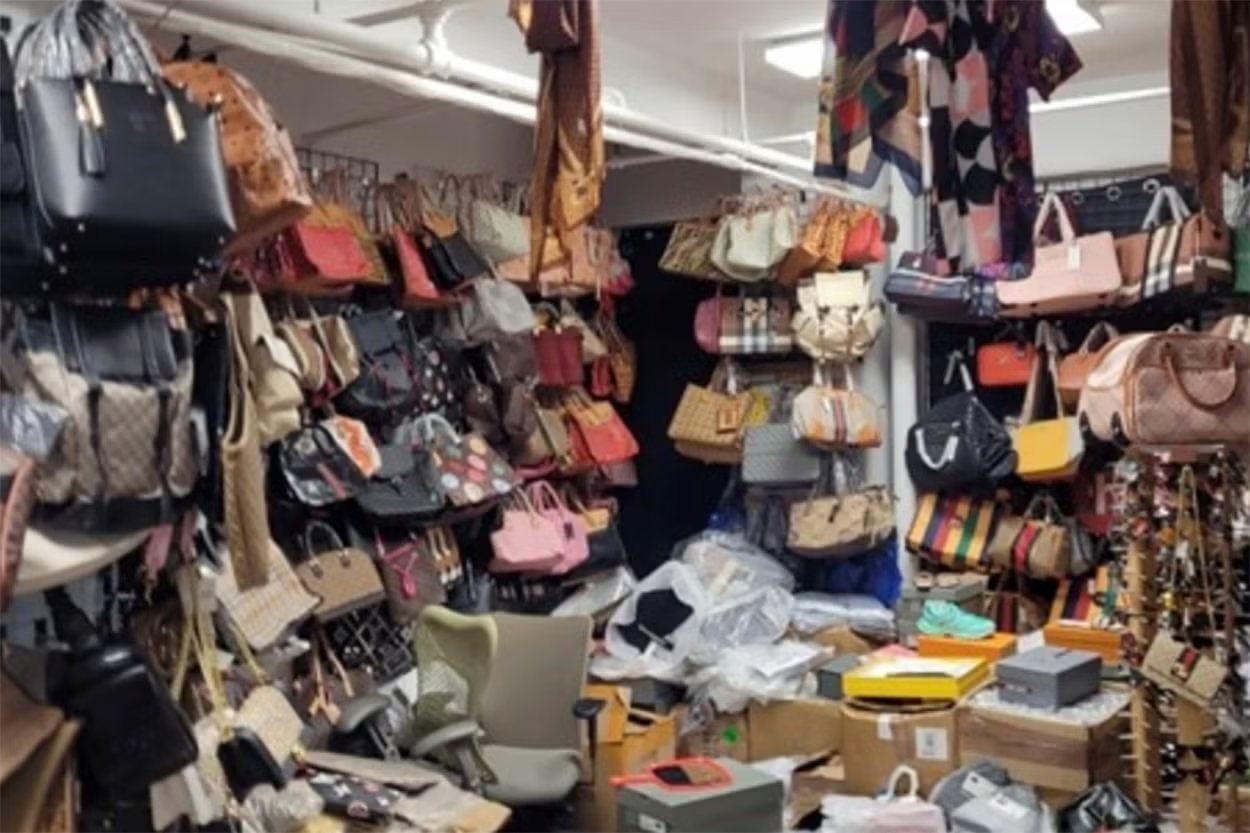
A fake product rarely looks like a crime scene from the outside. It may look like a discounted charger, a designer bag from an online seller, or a box of branded parts moving through a U.S. port with clean paperwork. That is why Counterfeit Seizure Laws matter so much for American buyers, importers, retailers, and brand owners. The trouble starts when a product borrows trust it did not earn.
Federal agencies treat counterfeiting as more than a branding problem because fake goods can hurt consumers, drain lawful sales, and damage public safety. USPTO warns that counterfeits can include faulty electronics, unsafe foods, and perfumes with harmful substances. For companies trying to build real brand authority, a strong legal and content presence through trusted brand visibility strategies can make the difference between being recognized and being copied. Federal trademark enforcement turns that recognition into something the law can protect.
How Counterfeit Seizure Laws Begin at U.S. Borders
Border enforcement is often the first hard stop in a counterfeit case. A shipment may move quietly through mail, express delivery, cargo, or a seaport until paperwork, product appearance, origin, price, or brand intelligence raises a red flag. Once that happens, the problem leaves the world of cheap knockoffs and enters federal procedure.
CBP targets and seizes counterfeit and pirated imports before they enter American commerce. Its intellectual property program exists because border officers sit at the choke point where fake goods often become retail inventory. CBP reported that goods seized for intellectual property rights violations more than doubled from fiscal year 2020 to fiscal year 2024, which shows how much pressure small parcels and e-commerce have added to enforcement.
Why CBP Counterfeit Seizures Often Start With Small Details
A counterfeit case can begin with one detail that feels minor to a shipper. The declared value may be too low for the brand. The packaging may use a logo that looks clean at first glance but feels wrong to a trained import specialist. The shipment may come from a route already tied to suspicious goods.
CBP counterfeit seizures do not require a dramatic warehouse raid. A box of phone chargers, sunglasses, handbags, or auto parts can trigger the same legal machinery if the mark appears fake and the goods match a protected brand category. The uncomfortable truth is that fake goods often travel through ordinary channels, not hidden tunnels.
A small U.S. online seller may think a supplier problem is separate from legal exposure. It is not. When the seller imports branded goods without proof of authenticity, the seller inherits the risk attached to the shipment.
What Happens After Goods Are Detained or Seized
A detention gives the government time to examine the merchandise. A seizure is more serious because the government has taken the position that the goods violate intellectual property law. That move can lead to forfeiture, destruction, penalties, or referral for investigation.
The process often moves faster than business owners expect. A notice arrives, deadlines begin, and the importer must decide whether to challenge the seizure, abandon the goods, or seek mitigation. Silence can cost more than the shipment itself.
Federal trademark enforcement works best when the brand owner has already recorded its rights and can help confirm whether the product is genuine. For importers, the lesson is blunt: a supplier invoice is not the same as legal authorization.
Federal Trademark Enforcement Turns Brand Rights Into Real Pressure
Border action is only one piece of the system. Trademark owners also use civil lawsuits, marketplace reports, investigations, and brand recordation tools to stop fake goods before they spread. The law gives them several paths because counterfeiting does not stay in one lane.
USPTO defines trademark infringement as unauthorized trademark use connected to goods or services in a way that is likely to confuse, deceive, or cause mistakes about source. That standard matters because counterfeit trademark laws focus on deception at the point where buyers believe they are getting the real thing.
Why Registration Changes the Enforcement Picture
A brand can have some rights through use, but federal registration gives enforcement sharper teeth. Registration makes ownership easier to prove. It also supports border recordation, stronger court claims, and clearer communication with platforms, investigators, and customs officials.
Counterfeit trademark laws become more practical when the brand has clean records. A company selling skincare in Texas, for example, may discover fake versions on a marketplace only after customer complaints arrive. If its mark is registered and properly maintained, it can move with more confidence.
The counterintuitive part is that the logo alone is rarely enough. Enforcement depends on paperwork, product classes, actual use, and proof that the accused goods connect to protected categories. A famous-looking name with weak records leaves room for trouble.
Civil Lawsuits Can Reach Beyond the Shipment
A lawsuit can target sellers, distributors, marketplace operators in limited situations, payment accounts, and inventory tied to the scheme. Civil remedies may include injunctions, destruction or forfeiture of infringing articles, profits, damages, costs, and in some cases attorney fees.
Federal trademark enforcement also gives brand owners a way to move from cleanup to control. A court order can shut down listings, freeze assets in some cases, and stop repeat sellers from opening new storefronts under a different name.
For a local American retailer, the risk is not only losing one batch of goods. The deeper risk is becoming the visible defendant while the overseas source disappears. That is a hard place to stand when customers, payment processors, and landlords start asking questions.
Criminal Counterfeiting Cases Depend on Intent and Trafficking
Some counterfeit disputes stay civil. Others become criminal. The line usually turns on conduct, intent, scale, product danger, and whether the accused person knowingly trafficked in goods with fake marks.
Under 18 U.S.C. § 2320, federal law covers intentional trafficking in goods or services while knowingly using a counterfeit mark. It also reaches counterfeit packaging, labels, patches, wrappers, badges, containers, hangtags, and similar materials when those items are tied to deception. This is where a cheap product can become a federal criminal problem.
What Prosecutors Must Prove
DOJ guidance says prosecutors must prove trafficking or attempted trafficking, intentional conduct, use of a counterfeit mark, and knowledge that the mark was counterfeit. That last part matters because criminal law does not treat every mistake like a fraud scheme.
A seller who unknowingly bought bad inventory may have defenses. A seller who ignored warnings, changed invoices, hid supplier details, or kept selling after takedown notices has a harder road. Facts build intent piece by piece.
Counterfeit import penalties can also sit beside criminal exposure. A person may face seized inventory, lost money, civil claims, and government questioning before any criminal charge appears. The pressure rarely arrives in one neat envelope.
Why Some Products Draw Harsher Attention
Fake luxury goods get headlines, but safety-linked goods create deeper alarm. Counterfeit drugs, military goods, electronics, helmets, auto parts, and medical items raise risks beyond brand confusion. A fake handbag cheats a buyer. A fake charger can burn a bedroom wall.
Federal law reflects that danger. Section 2320 carries higher penalties for conduct involving counterfeit military goods or counterfeit drugs, and even harsher outcomes when serious bodily injury or death is tied to the offense.
A warehouse owner who stores fake designer shirts is in a bad position. A distributor moving fake brake pads or counterfeit medication is in a worse one. The legal system reads danger as a multiplier.
Businesses Can Reduce Risk Before Enforcement Arrives
Prevention feels boring until the seizure notice lands. Then every missing invoice, weak supplier email, and vague product listing becomes evidence someone else may read against you. The smartest businesses build proof before anyone asks for it.
CBP counterfeit seizures have become a normal business risk for importers who rely on overseas sourcing and online marketplaces. That does not mean every importer is reckless. It means the paper trail must match the product story from factory to customer.
How Importers Should Vet Branded Goods
A real supplier should be able to prove authorization. That proof may include brand letters, distributor agreements, trademark licenses, purchase history, and direct confirmation from the rights holder. A low price is not a business model when the brand says the goods are fake.
Counterfeit import penalties often grow from weak diligence. An importer may say, “I trusted the supplier,” but federal officers and brand owners want documents. Trust has no barcode.
A practical test works well: if the product uses a famous mark, ask who gave permission for that mark to appear there. If no one can answer with records, the shipment is not a bargain. It is a loaded box.
How Brand Owners Should Build an Enforcement File
Brand owners should keep trademark registrations current, record rights with CBP when appropriate, monitor marketplace listings, save screenshots, and buy samples when evidence is needed. The goal is not panic. The goal is readiness.
Federal trademark enforcement becomes stronger when the brand can explain what makes the real product real. Packaging details, lot numbers, authorized channels, and product photos can help officers and investigators separate genuine goods from fakes.
One odd truth about counterfeiting is that sloppy brands make life easier for counterfeiters. If your own packaging changes every month, your authorized seller list is outdated, and your trademark records are messy, enforcement slows down. Clean systems protect more than logos.
Conclusion
The fake goods market thrives on speed, confusion, and distance. A seller moves fast, a buyer sees a familiar mark, and a brand owner may not notice until the product has already traveled through ports, platforms, and homes. Law pushes back by turning that false trust into a seizure, a lawsuit, or a criminal case.
Counterfeit Seizure Laws are not only tools for luxury brands. They protect parents buying electronics, mechanics ordering parts, patients relying on medicine, and small businesses trying to compete without being copied. That is why the safest move is early discipline: register marks, verify suppliers, keep records, and treat every branded product as something that needs proof.
For American importers, retailers, and brand owners, the next step is clear. Review your trademark records, supplier files, and online listings before someone else reviews them for you. Real protection starts before the first fake box reaches the border.
Frequently Asked Questions
What are federal counterfeit trademark laws in the United States?
Federal law targets goods or services that use fake marks likely to confuse buyers. Civil cases often rely on the Lanham Act, while criminal cases may involve 18 U.S.C. § 2320 when someone knowingly traffics in goods with counterfeit marks.
Can CBP seize counterfeit goods from small packages?
Yes. Small parcels, express shipments, mail, and cargo can all face inspection. Many fake products move through ordinary delivery channels, so a shipment does not need to be large before CBP reviews, detains, or seizes it.
What happens after CBP counterfeit seizures?
The importer usually receives a notice explaining the seizure and response options. Depending on the facts, the goods may be forfeited, destroyed, challenged through a petition, or tied to penalties or further investigation.
Can a buyer get in trouble for ordering counterfeit goods online?
A casual buyer faces risk, especially if the purchase involves importation or resale. The bigger danger rises when someone buys fake goods for business, sells them to others, or ignores clear signs that the products are counterfeit.
What proof helps fight counterfeit import penalties?
Helpful records may include supplier contracts, brand authorization letters, invoices, product authenticity documents, shipping records, and emails showing good-faith due diligence. Weak paperwork makes defense harder, even when the importer claims honest mistake.
How do brand owners stop counterfeit products at the border?
Brand owners often register trademarks, record those rights with CBP, train enforcement contacts on product details, monitor suspicious sellers, and respond fast when officers request authentication. Strong records make border action faster and cleaner.
Are counterfeit goods always a criminal offense?
No. Some cases remain civil or administrative. Criminal exposure usually depends on knowing conduct, trafficking, intent, product type, and scale. A mistaken purchase differs from an organized operation selling fake goods for profit.
Why is federal trademark enforcement important for small businesses?
Small businesses can lose customers, reviews, revenue, and trust when counterfeit sellers copy their names or products. Strong enforcement helps protect the brand reputation they earned, especially when fake goods appear on marketplaces or enter through imports.